
Why Aysén Is Patagonia’s Best-Kept Secret
An Introduction to Aysén
You’ve heard about Patagonia, and you’ve seen the pictures before. Maybe you’ve even been to a popular spot like Torres del Paine or El Chaltén. But why should Aysén top your list of trips to make in 2026? Here it is in a nutshell: Aysén is Chile’s third largest region, and yet the most sparsely populated.
Aysén Quick Facts:
Country: Chile
Population: 100,745
Total Area: 41,300 sq mi
Capital: Coyhaique
To put those numbers in perspective, Aysén has a population of 100,745 in a country of nearly 20 million. About half of those people live in the capital city of Coyhaique, leaving the region’s remaining 41,300 square miles very thinly settled indeed. Suffice to say if you’ve ever framed a wilderness photo carefully to avoid getting too many tourists in the shot, you won’t have that problem in Aysén.
You might find it hard to take a bad photo at all. Aysén is the reason words like “rugged” and “sweeping” get applied to landscapes. Geographically, the formation of glaciers over the passage of eons resulted in Aysén’s many lakes and fjords. The Andean Volcanic Belt is a suitably dramatic name for the range that begins in the north, and snowcapped peaks ring the densely forested valleys below. It’s a dream for a hiker, photographer, or anyone who values pristine views of nature in the raw.
Hiking in Aysén
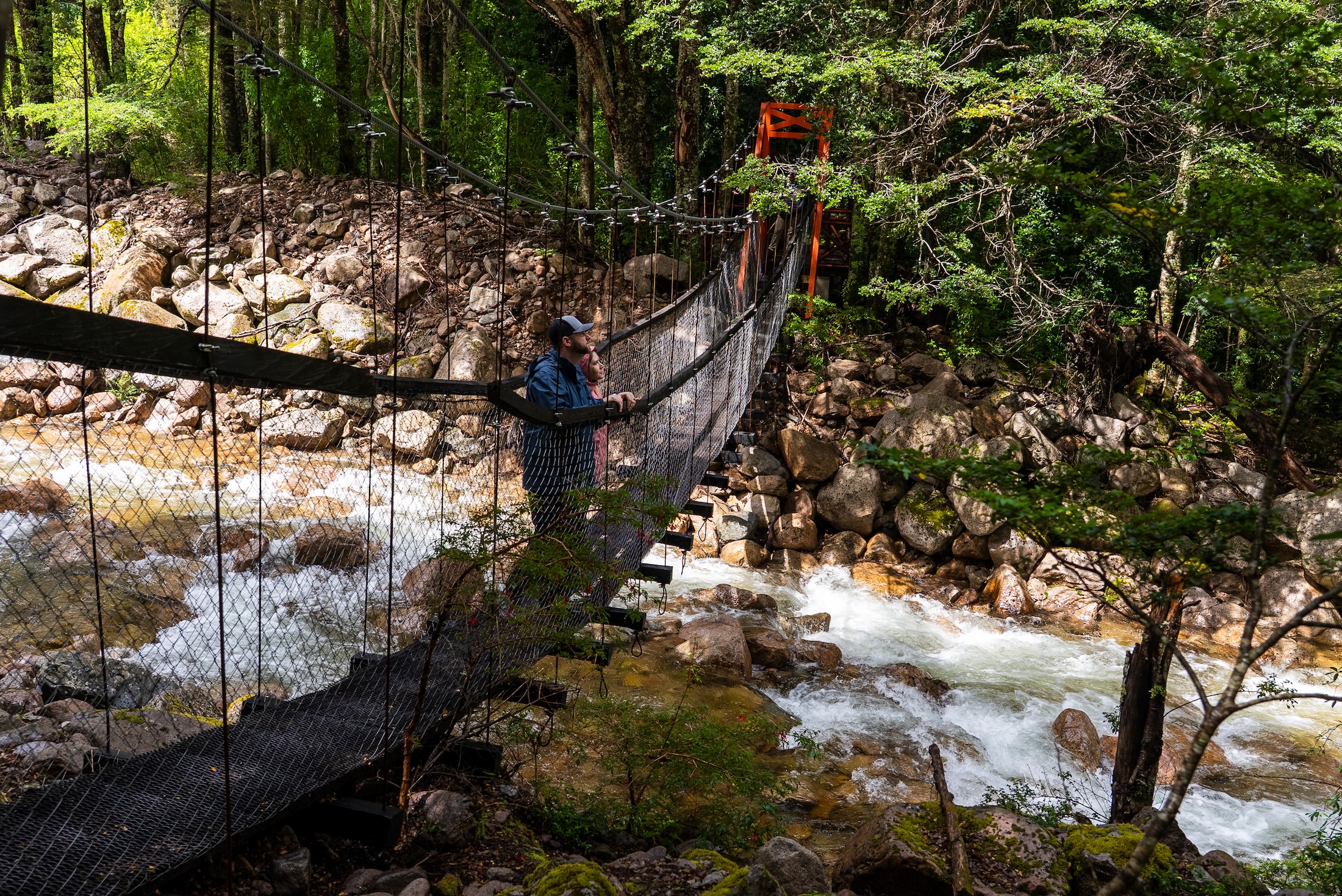
As you may have guessed from the above, hiking is one of the region’s top attractions. Cerro Castillo National Park is unbeatable for anyone who enjoys a mountain trail, and the fact it only opened as a park in 2018 means it remains less visited than many other Patagonia destinations. It’s not uncommon to hike for hours without encountering a soul.
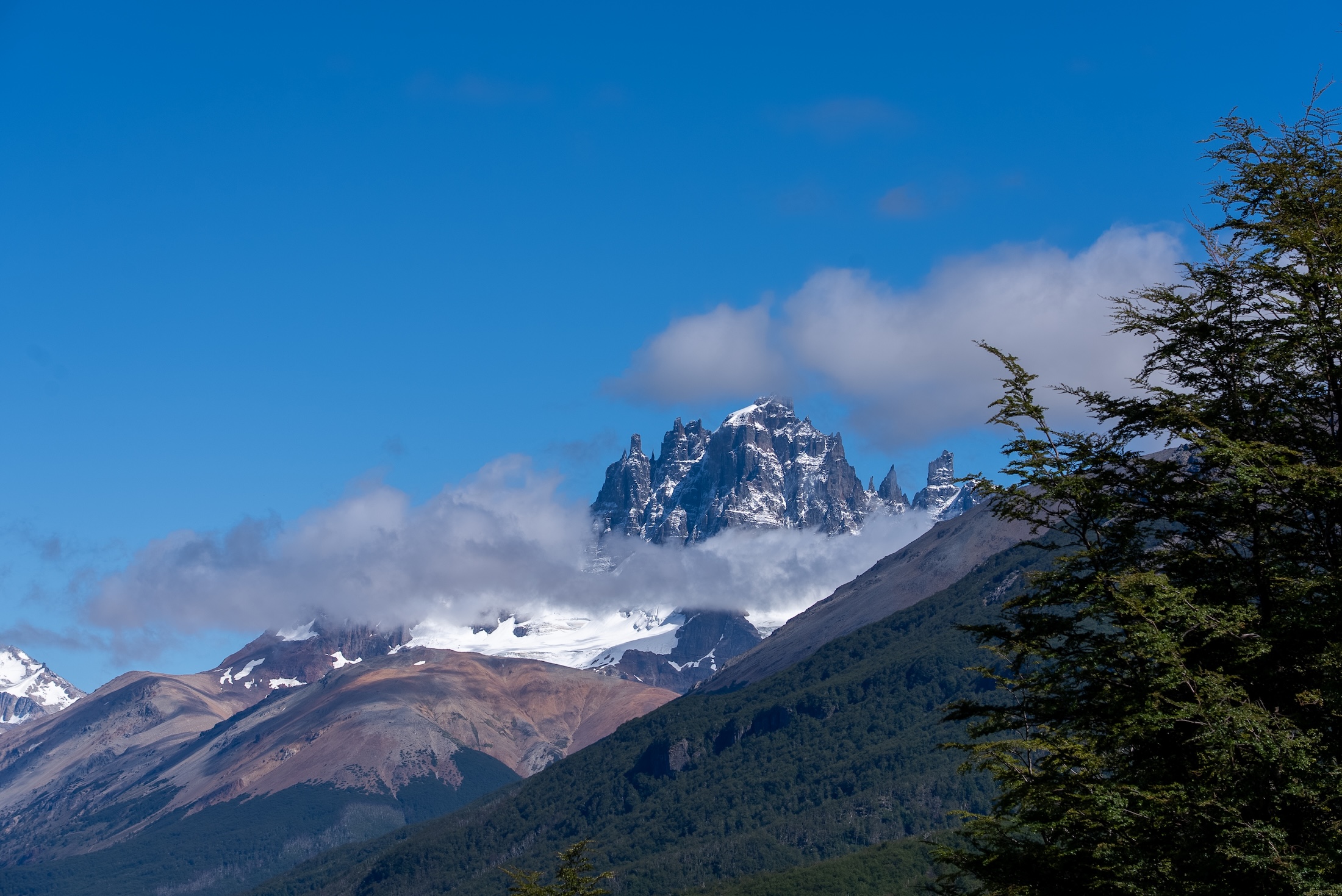
The park is named after its tallest peak, Cerro Castillo. “Castillo” is the Spanish word for castle, and the resemblance is easy to see in the mountain’s jagged profile. As befits its grandeur, activities around the peak vary. Extended multi-day trips into the park are possible, but a day hike to enjoy the view of the massif is also rewarding. Guided tours and horseriding expeditions are worth considering as well.
Be aware the best activities in Aysén can vary somewhat by season. Being in the southern hemisphere, Aysén winter runs from May to September. Outdoor adventurers may appreciate the milder temperatures and longer days from December to February, but on the other hand, you’ll encounter even fewer crowds in the spring and fall. If you find fall colours appealing, the forests and slopes of Aysén are especially vibrant from March to May.
Wondering about the weather, or what to pack? Check out our FAQ for more.
Aysén Glaciers
Known as a hanging glacier, Ventisquero Colgante sits atop a cliff surrounded by rainforest, creating a waterfall that cascades into the lake below. It’s no surprise that “Quelat” means “sound of waterfalls” in the language of the Chono Indigenous people.
Quelat National Park can be enjoyed on foot or by boat, but it’s also important to note that Ventisquero Colgante is far from the only glacier worth visiting in Aysén. Get in touch and we can offer more recommendations.
Aysén Fly Fishing
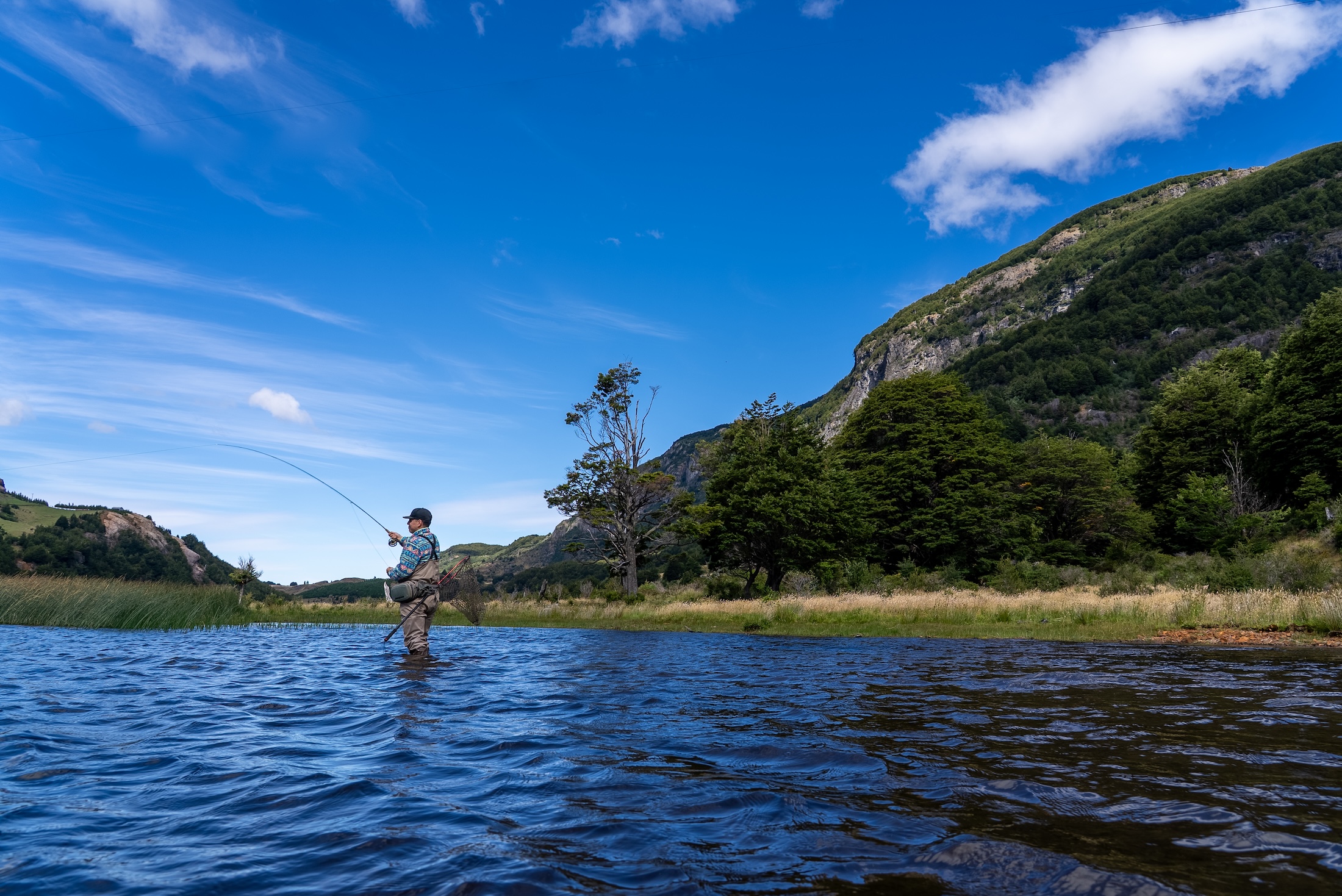
The popularity of fly fishing in Aysén is no surprise given the number of lakes and rivers that wind through the region. Trout and salmon are plentiful here, particularly brown trout and rainbow trout. We recommend using a local guide to help you find the best spot to cast, and to provide the necessary gear and licenses.
Just let us know your interests and we can help set up a fishing trip for you. The season runs from October to April.
Aysén Culture
Aysén’s remoteness is part of its allure, but its culture is also vibrant, expressive, and unique. In pre-Hispanic times, the Chono and Kawésqar Indigenous groups navigated and lived in the fjords, archipelagos and channels of southern Chilean Patagonia, pursuing a hunter-gatherer lifestyle based on canoe travel and the bounty of the sea. Although the Chono are now regarded as extinct as a distinct cultural group, their imprint remains in local toponymy and regional heritage. A living Kawésqar community still survives in the region, working to preserve their language and traditions through local Kawésqar language classes and cultural revitalisation efforts.
Yet even after European settlement and integration into the Chilean state, Aysén remained isolated. In fact, it wasn’t until the 1980s that a significant highway—Route 7, also known as the Carreterra Austral—connected Aysén’s north and south. Before that, road access was rugged or nonexistent. The capital city of Coyhaique was only founded in 1929, making it new by city standards.
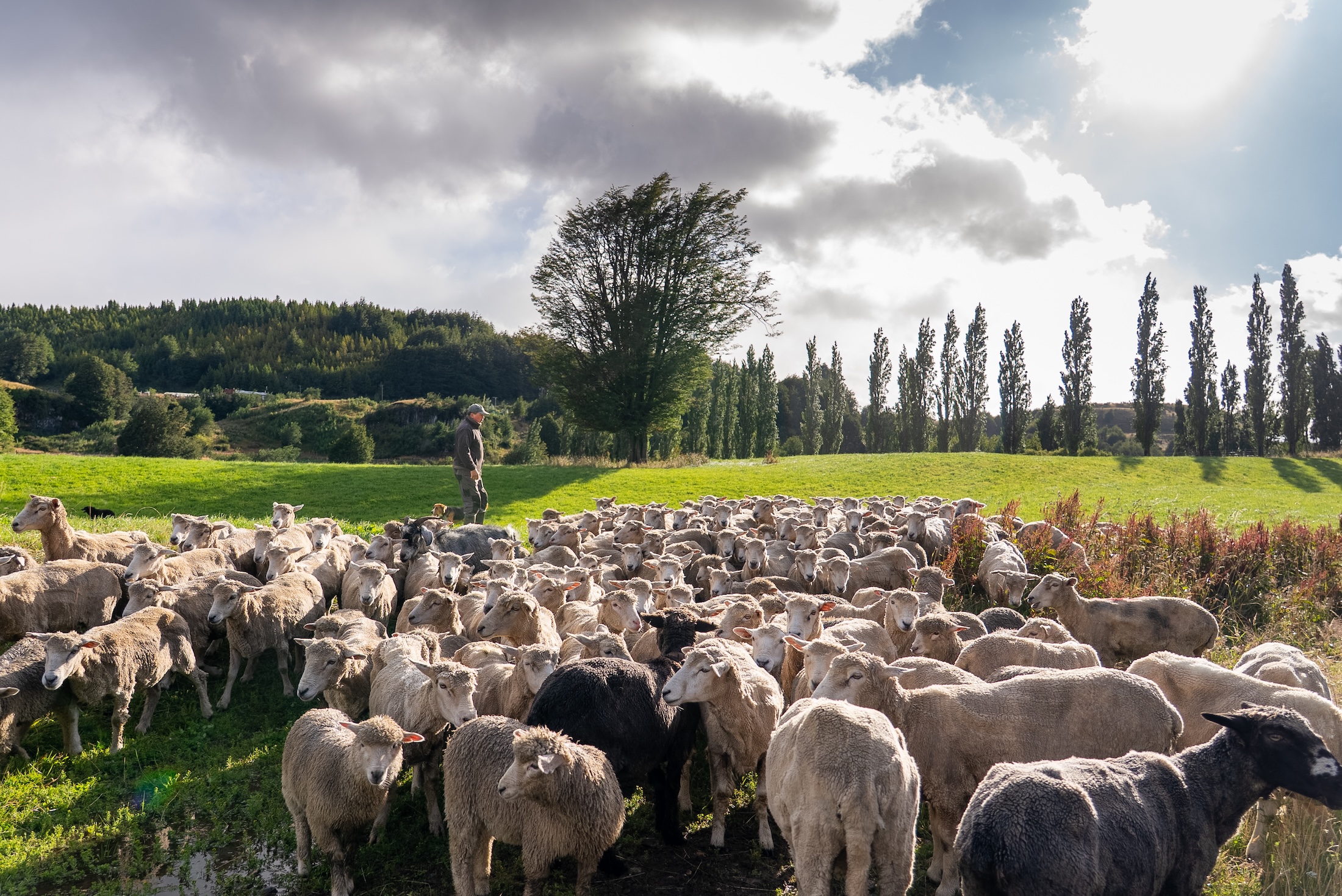
That goes a long way to explaining the importance of horses to the region. Gauchos, skilled horsemen with a folkloric appeal similar to the cowboy, relied on their outdoor survival skills to explore the region and develop farms.
The gaucho tradition of raising livestock is the reason why asado al palo is a signature dish of Aysén. Traditionally prepared by splaying whole lamb over an open flame, the slow-roasting technique lends a smoky flavour to the dish—and allows time for conversation and contemplation. Served with the popular Chilean condiment pebre (a salsa made of tomatoes, onion, and aji peppers) and seasonal vegetables, it’s goes beyond a simple meal and becomes an expression of Patagonian culture.
Of course, in a thousand words we’ve barely scratched the surface of Aysén’s allure. If you’re curious to know more, we’d love to talk. Click here to arrange a discovery call and go deeper into the region’s history, culture, and geography.