Ruta de Los Parques: The Most Scenic Route in the World
Introducing the Ruta de los Parques
1700 miles. 17 national parks. 28 million acres, encompassing immeasurable ecological diversity and raw natural beauty. In some ways, it’s astonishing the Ruta de los Parques isn’t a household name the world over.
If this is your first time hearing about the vast scenic-route-slash-conservation-project, it may be because it’s relatively new—the Ruta wasn’t fully realized until 2018. Curious to know more? In this post we’ll unpack the details of a truly monumental Patagonian destination, from its environmental goals to the ways a traveller can engage with it.
What is the Ruta de los Parques?
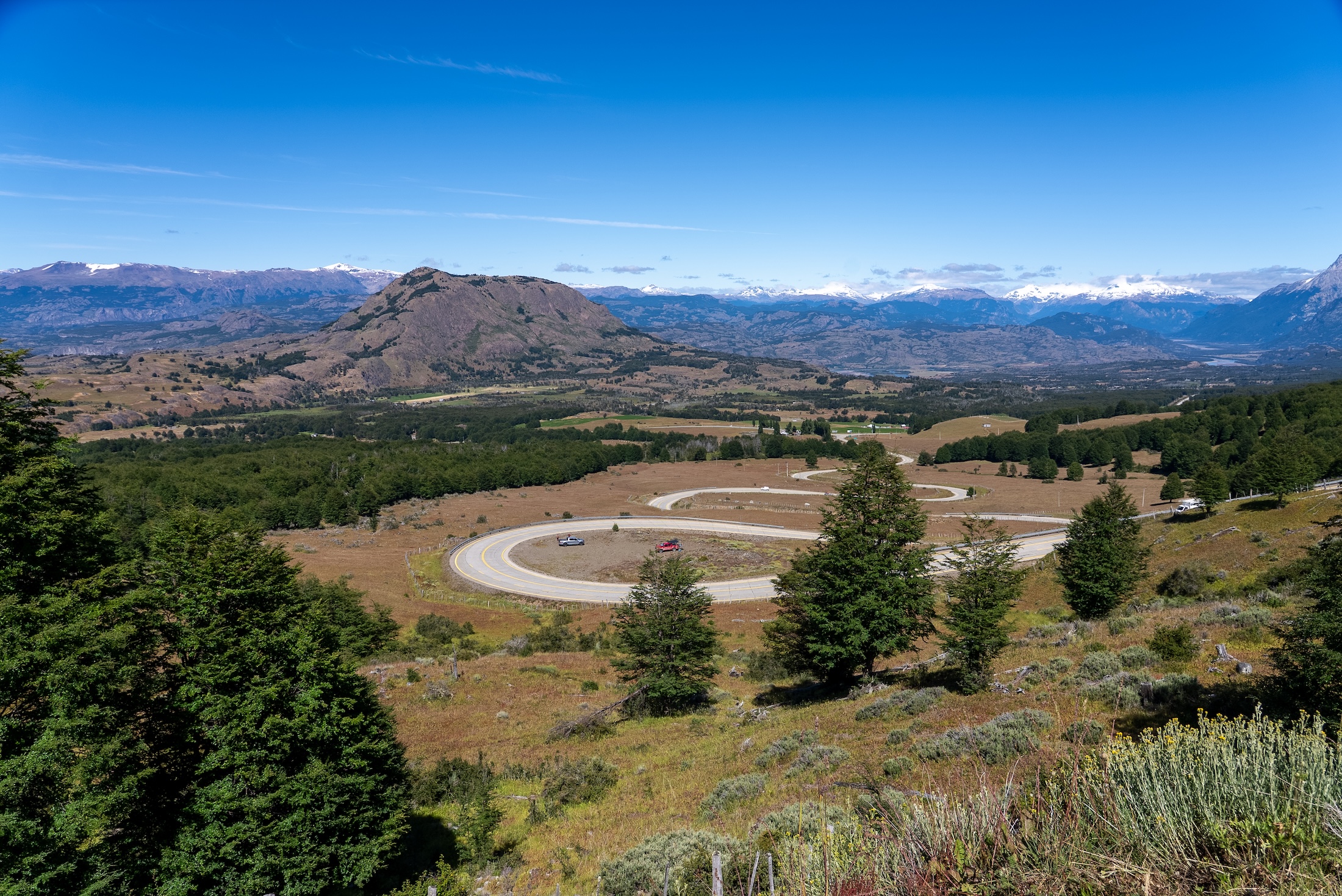
The Ruta de los Parques isn’t a single, finished route but a network of roads, trails, and parks that collectively form a nature-based tourism destination. It runs from the city of Puerto Montt all the way to Cape Horn at the southern tip of Chile. As mentioned in the introduction, 17 national parks fall within the Ruta’s boundaries, meaning it offers a staggering variety of landscapes, from hanging glaciers to temperate rainforests to rugged steppes.
Visiting all the regions of the Ruta de los Parques—an area one-third the length of Chile itself—would be an epic, months-long adventure. Most travelers experience it through a mixture of road trips, hiking, and cycling.
What’s the connection to Aysén and the Carreterra Austral?
The Ruta de los Parques begins in the port city of Puerto Montt, which is also the official start of the Carreterra Austral. The Carreterra, also known as Route 7, is one of the most remote roads in the world. By no coincidence, it’s also one of the most spectacular.
Puerto Montt is in the Los Lagos region, but the majority of the Carreterra falls within Aysén, where Eko Patagonia is located. You can think of the Carreterra as a physical road, whereas the Ruta de los Parques is the broader natural landscape it passes through.
The Carreterra Austral ends in Villa O’Higgins, 340 miles south of Aysén’s capital, Coyhaique. The Ruta de los Parques, however, continues south to Cape Horn. Head any further south from there and you’d hit Antarctica.
Why is the Ruta de los Parques significant?
Apart from its sheer length, the Ruta de los Parques is notable for another reason: it’s one of the most ambitious conservation projects in the world.
Developing the Ruta required a unique public and private collaboration. Conservationists Kris and Douglas Tompkins (founders of Patagonia and The North Face clothing companies, respectively) had acquired large tracts of land over the course of decades, working towards a vision of environmental stewardship that would become the Ruta de los Parques.
In 2018 their foundation Tompkins Conservation Chile made the largest private donation of land to a country ever. That donation included nearly a million acres, and the Chilean government followed it by pledging another nine million acres. Once they had incorporated and reclassified other public lands, the grand total came to 28 million acres of protected land.
Crucial to the conception of the Ruta de los Parques was the idea that conservation need not be an opportunity cost or barrier to economic development. Instead, it was intended as a forward-thinking investment in the communities that stood to benefit from the health of their local ecosystems, as well as the jobs that would rely on tourism to a globally unique natural treasure.
Why should I visit the Ruta de los Parques?
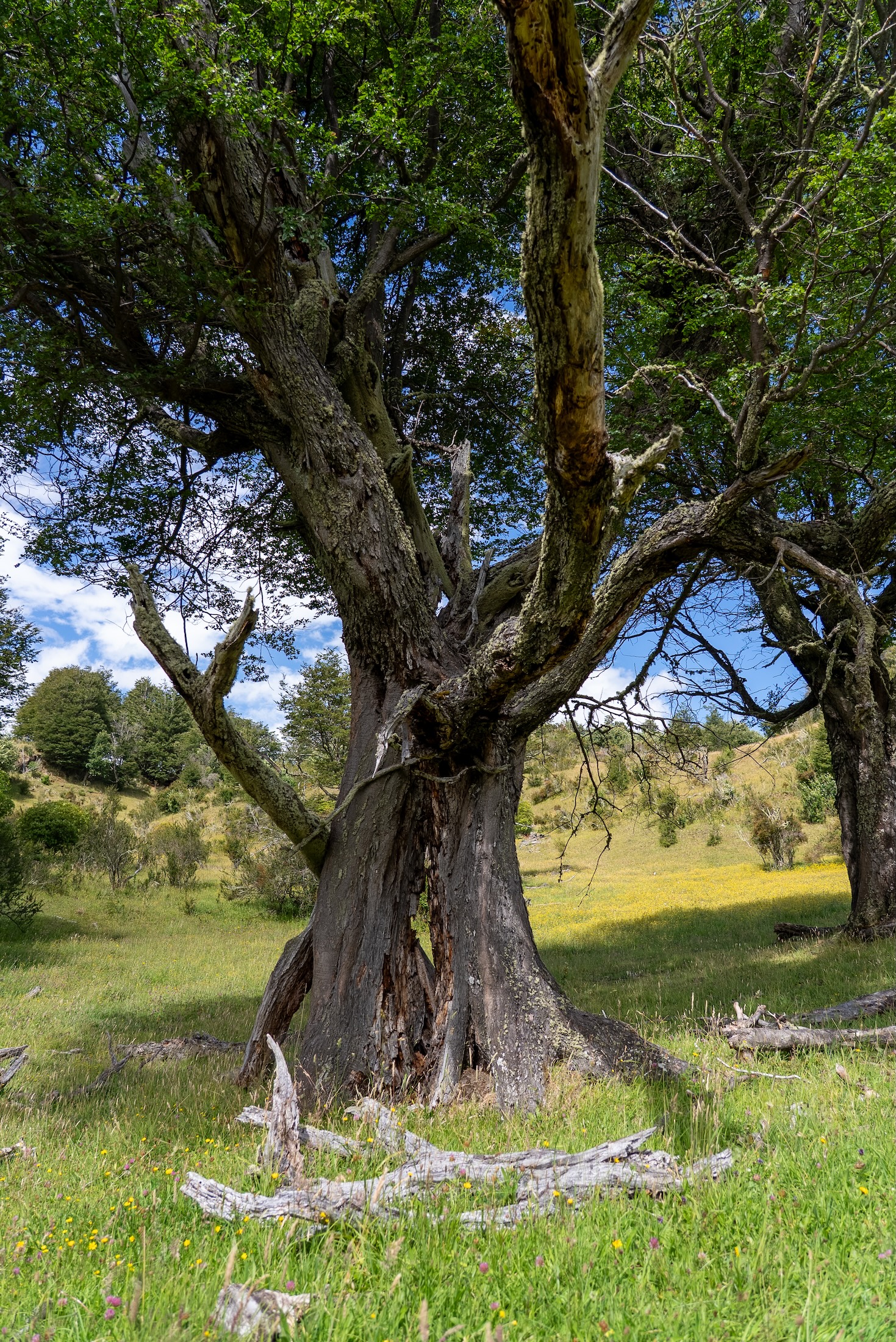
The landscapes of Patagonia and the Aysén region are rugged, primal, and inspiring. If you crave an escape from the urban routine, there’s simply nowhere in the world that can offer such a contrast. This is a land of ancient forests and towering mountain peaks, of fjords and primeval volcanoes.
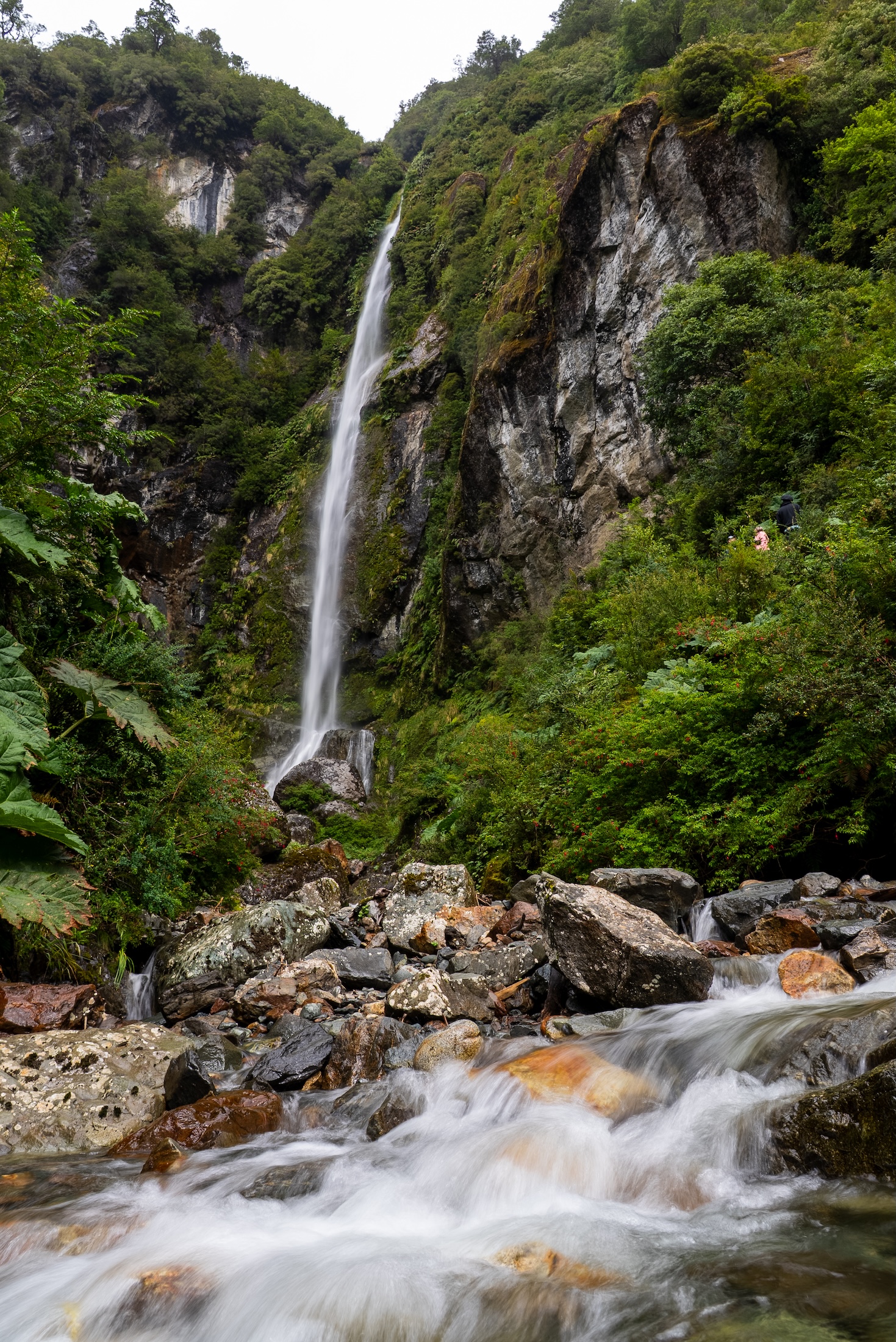
Among the many places to explore are Queulat National Park, famed for its dramatic hanging glacier. Then there’s Cerro Castillo, with its castle-like peaks and varied hiking. Or consider Patagonia National Park, newly designated as a park and home to mindboggling diversity.
Better yet, the conscious design of the Ruta de los Parques makes for a sustainable tourism experience. Species such as the guanaco, a relative of the llama, thrive here. Huemul deer, the iconic South Andean species found on Chile’s coat of arms, graze in protected national parks. Huillín, a South American river otter, swim the abundant fresh waters.
The scale of the Ruta de los Parques is so vast it’s difficult to put into words, let alone a single blog post. Perhaps the best place to gain a true understanding is from a mountain peak overlooking the untouched wilderness—and we can help you get there.
If this introduction has inspired you to consider exploring a section of the Ruta de los Parques, we would be honored to be a part of that journey. Connect with us and let’s start planning now.